Why Regular Vehicle Maintenance Matters
Protect your vehicle. Protect your wallet. Protect your peace of mind.
Your vehicle is one of the biggest investments you make — and regular maintenance is the key to keeping it safe, reliable, and affordable to own. Modern cars are engineered to last well over 200,000 miles, but only when they’re cared for on schedule. Skipping maintenance doesn’t just delay a service… it allows wear, heat, and contamination to build up in ways that become far more expensive later.
At Hiram’s, our goal is simple:
Help you get the longest, safest, most cost‑effective life out of your vehicle.
The Benefits of Staying on Schedule
Lower Long‑Term Costs
Routine maintenance prevents small issues from turning into major repairs.
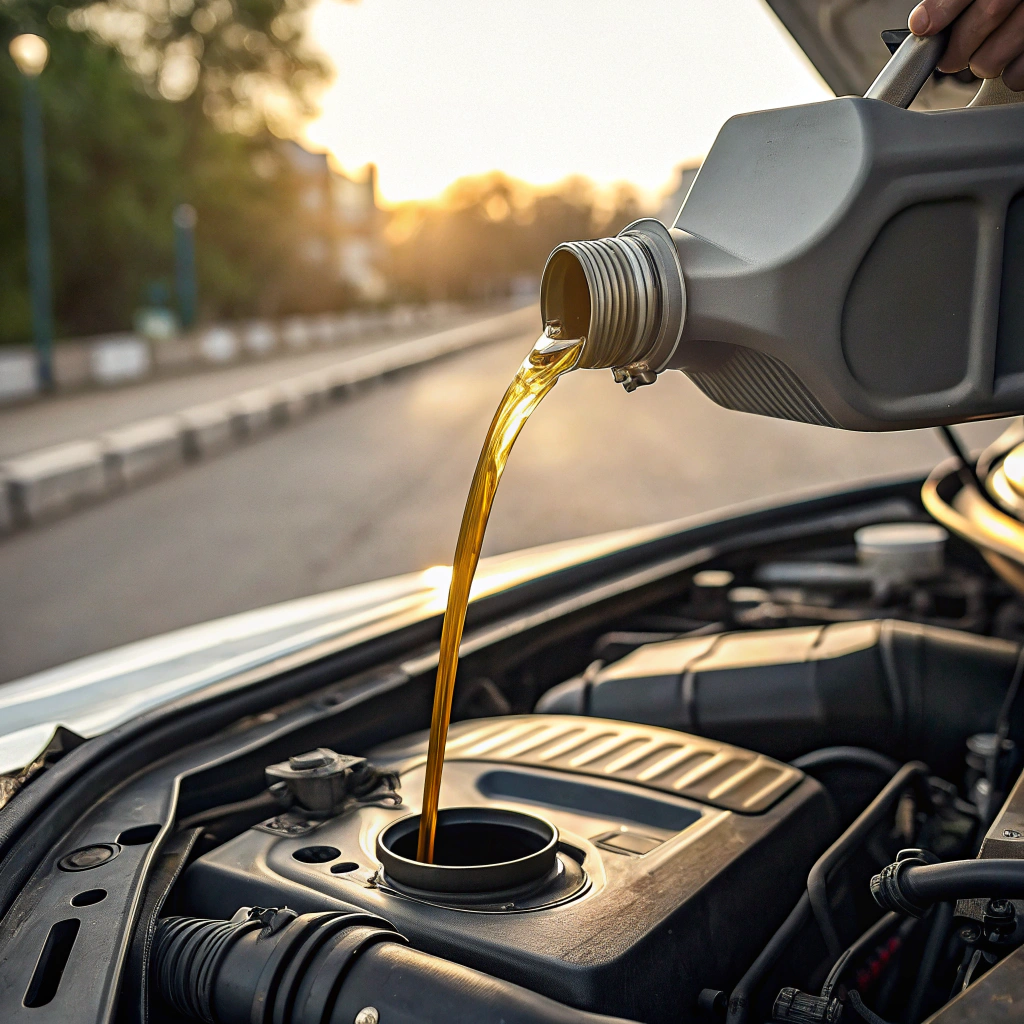
- Oil changes protect your engine from $4,000–$10,000 failures
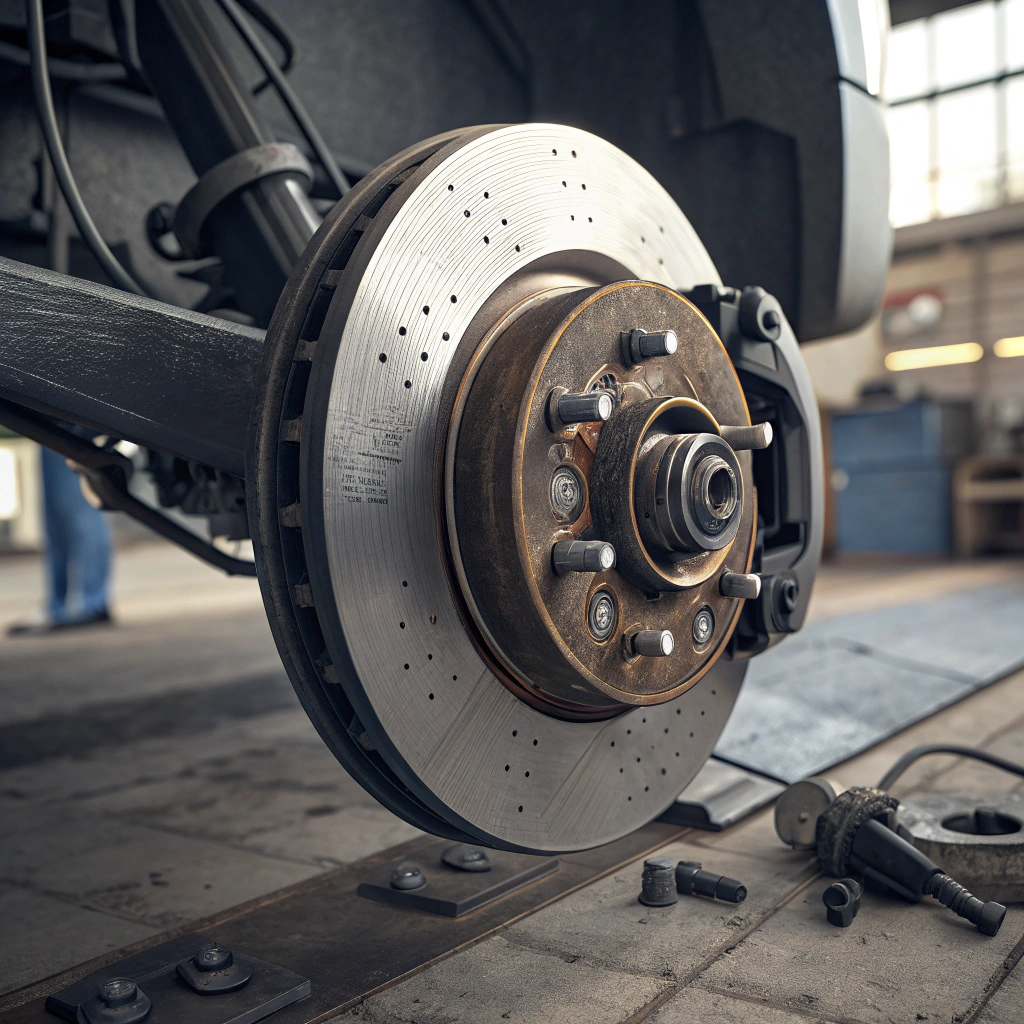
- Brake inspections and service prevent rotor and caliper damage
- Fluid services protect transmissions, differentials, and cooling systems
A $100–$300 maintenance service can prevent $1,000–$7,000 in repairs later.
Better Fuel Economy
A well‑maintained vehicle burns less fuel.
Services that directly improve MPG include:
- Engine air filter
- Fuel system cleaning
- Spark plugs
- Tire pressure, rotation, and alignment
Even a small 2–4 MPG improvement saves hundreds per year.
Longer Vehicle Life
Regular maintenance keeps every system working the way it should.
Customers who maintain their vehicles consistently often see:
- 150,000–250,000+ miles of reliable life
- Higher resale value
- Fewer unexpected breakdowns
Improved Safety
Maintenance directly affects your ability to stop, steer, and see clearly.
Critical safety checks include:
- Brakes
- Tires and alignment
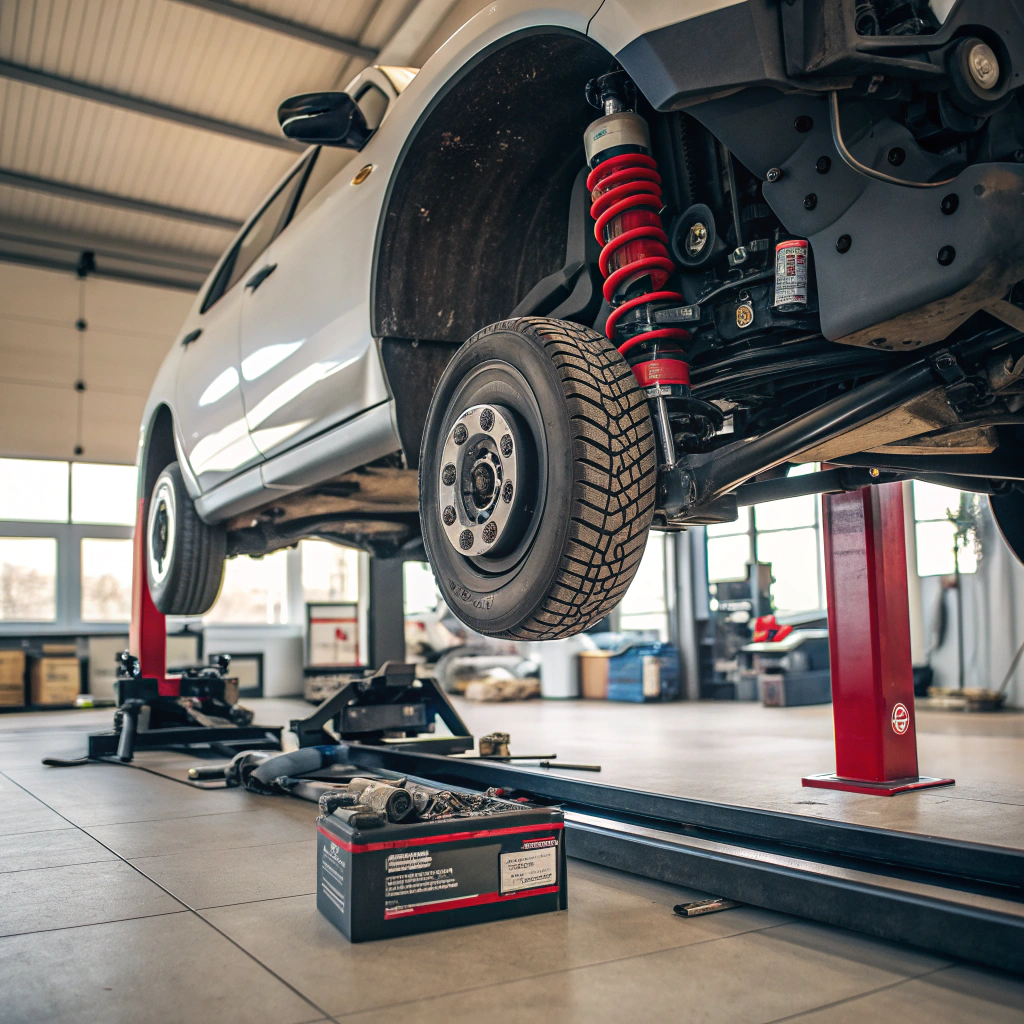
- Suspension
- Lighting and wipers
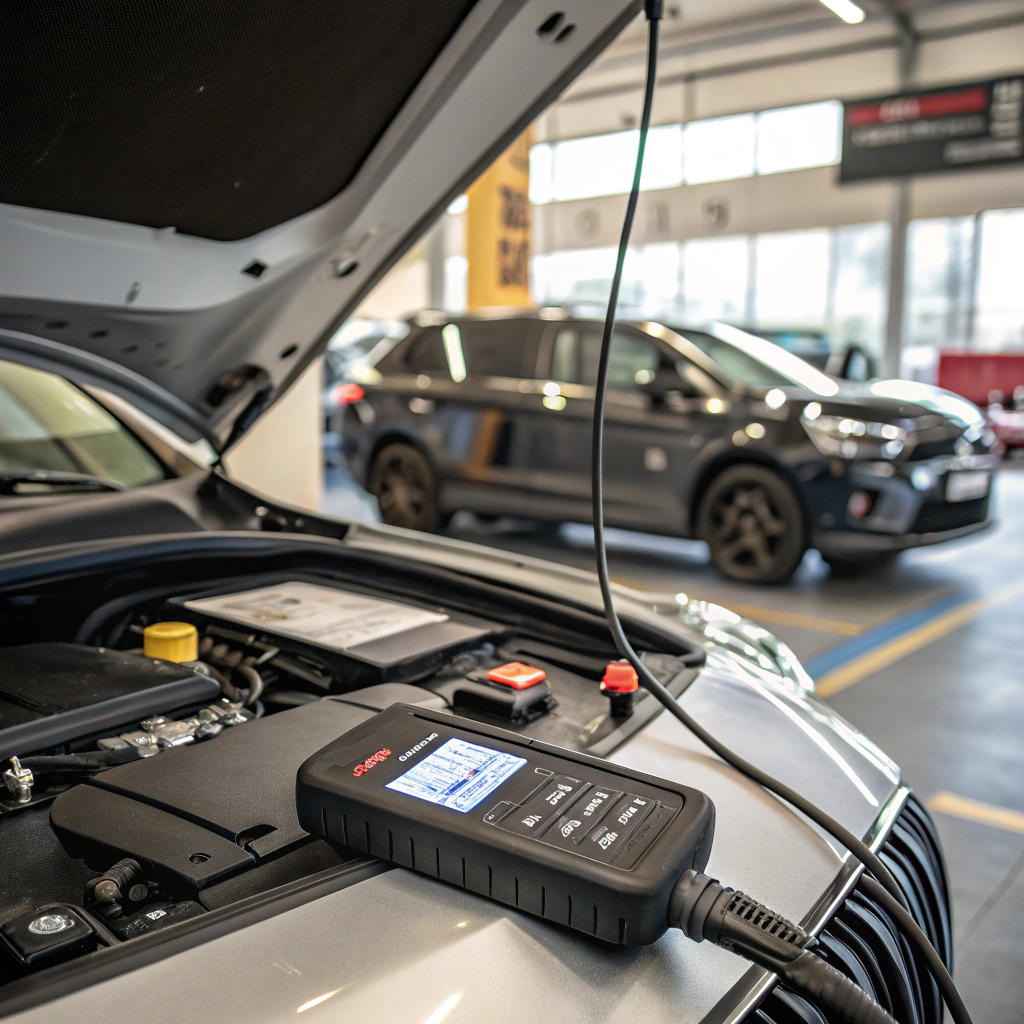
- Battery and charging system
These services ensure your vehicle performs when you need it most.
Better Performance & Reliability
A properly maintained vehicle:
- Starts easier
- Runs smoother
- Shifts cleaner
- Handles better
- Makes less noise
You feel the difference every day.
Protects Your Warranty
Most manufacturer warranties require proof of regular maintenance.
Staying on schedule keeps your warranty valid and protects you from major expenses.
Higher Resale or Trade‑In Value
Buyers and dealers pay more for vehicles with documented maintenance.
A well‑maintained vehicle can be worth $1,000–$3,000 more at trade‑in
Your Maintenance Schedule at a Glance
Below is a simple, customer‑friendly table showing the most common maintenance items and when they’re typically due. (Intervals vary by vehicle — we always check your specific manufacturer schedule.)
| Service | What It Does | Typical Interval |
|---|---|---|
| Engine Oil & Filter | Protects engine from wear | 5,000–7,500 miles (synthetic up to 10,000) |
| Engine Air Filter | Improves airflow & MPG | 15,000–30,000 miles |
| Cabin Air Filter | Keeps interior air clean | 12 months or 15,000–20,000 miles |
| Fuel System Cleaning | Cleans injectors & intake | 30,000 miles |
| Coolant Exchange | Prevents overheating & corrosion | 5 years or 100,000 miles |
| Brake Fluid Exchange | Maintains stopping power | Every 2–3 years |
| Transmission Fluid | Protects transmission from wear | 60,000 miles |
| Differential Fluid | Protects gears in AWD/RWD | 30,000–60,000 miles |
| Transfer Case Fluid | Maintains 4WD/AWD system | 30,000–60,000 miles |
| Tire Rotation | Ensures even tire wear | 5,000–7,500 miles |
| Wheel Alignment | Prevents pulling & tire wear | 12 months or 12,000 miles |
| Tire Balancing | Reduces vibration | 12 months or as needed |
| Brake Inspection | Checks pads, rotors, calipers | Every 6 months |
| Battery Test | Checks battery health | Every 6 months |
| Spark Plugs | Maintains performance & MPG | 60,000–100,000 miles |
| Serpentine Belt | Powers accessories | Inspect yearly; replace 60k–100k |
| Timing Belt | Prevents engine damage | 60,000–105,000 miles |
| PCV Valve | Controls crankcase pressure | 60,000 miles |
| A/C Performance Check | Ensures cooling efficiency | 12 months |
| Wiper Blades | Improves visibility | 6–12 months |
| Lighting Inspection | Ensures safety & visibility | Every 6 months |
| Chassis Lubrication | Protects joints & steering | 5,000 miles |
| Exhaust Inspection | Checks for leaks & rust | 12 months |
| Fuel Filter (if applicable) | Protects fuel system | 30,000–60,000 miles |
| EVAP System Check | Ensures emissions system health | 12 months |
Many of the inspection items listed are things we do as part of our routine service. For example, we'll typically look at your brakes whenever we have your vehicle on a lift. The same is true for exhaust. Many of these can be easily added to your regular service visits, so we'll start suggesting this when appropriate.
The Bottom Line
Regular maintenance is the most cost‑effective way to own a vehicle.
It saves money, increases reliability, improves safety, and protects your investment.
A maintained vehicle costs less to own than a neglected one — every single time.